
Wool Is the Future of Equestrian Arena Surfaces.

Today's fibre reinforced riding surfaces typically contain polyester fibres, a material that will be phased out from 2031 under upcoming EU regulations.
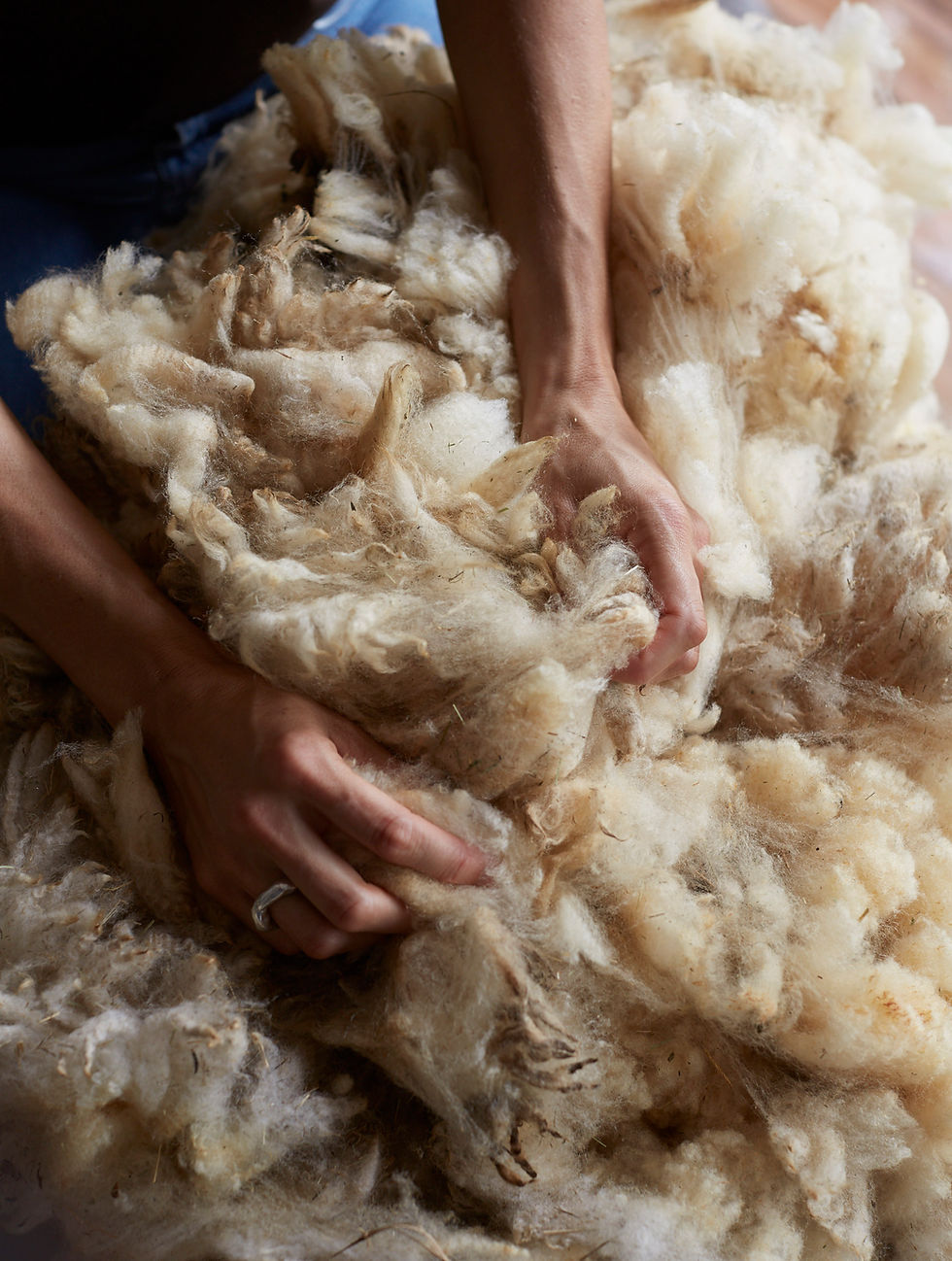
To meet the demands of the future EWA has developed an innovative fibre made from 100% wool.
Wool is a natural, renewable and biodegradable raw material that offers a range of advantages over synthetic fibres. With EWA's wool fibre, it is possible to create a sustainable riding surface that is free from microplastics while delivering the same high level of performance and quality.

WHY CHOOSE WOOL INSTEAD OF POLYESTER? Our new 100% wool fibre has been developed for the riding surfaces of the future, combining outstanding performance with sustainability. Naturally Retains Moisture Wool can absorb up to 30% of its own weight in water, while polyester absorbs less than 1%. This helps maintain a more consistent moisture level in the riding surface, creating greater stability and longer lasting performance. Free from Microplastics Unlike polyester, wool is a natural fibre that does not contribute to the release of microplastics into the environment. Biodegradable Wool naturally decomposes at the end of its life, returning valuable nutrients to the soil instead of becoming long-lasting waste. Naturally Flame Resistant Wool is inherently flame resistant. Unlike synthetic fibres, it does not melt when exposed to heat but instead chars slowly, helping to reduce the risk of fire spreading. |
 |
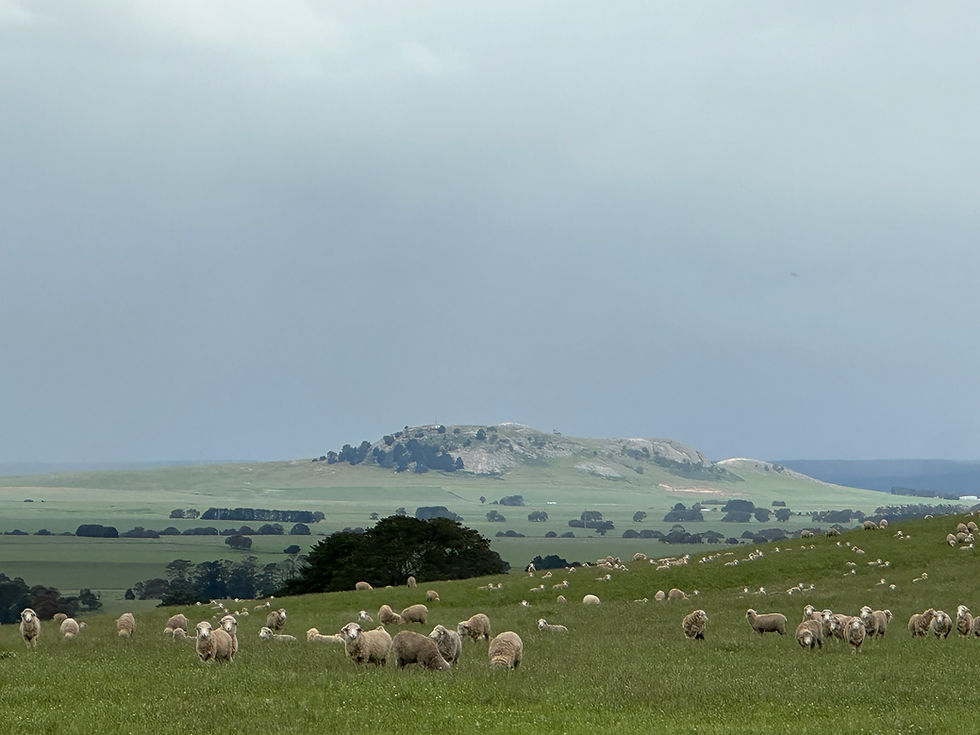
Unlike many other bio-based materials, wool is already available in abundance across Sweden, Europe, and many other parts of the world. Yet a large proportion of European wool is discarded because the textile industry primarily demands fine Merino wool. The coarser wool used by EWA, however, is ideally suited for riding surfaces. Our vision is to make use of as much of this valuable wool as possible, giving it a new purpose instead of allowing it to go to waste. In the future, we hope to create a circular system where wool is used in riding surfaces, then returned to nature to enrich fields and pastures where sheep graze. The sheep produce new wool, and the cycle begins again. |


Comments